Examining How Bonus Structures Guide Shifts Between Athletic Wagering and Dealer-Hosted Tables via Transaction Preferences
Sage Bennett · Sep 29, 2026
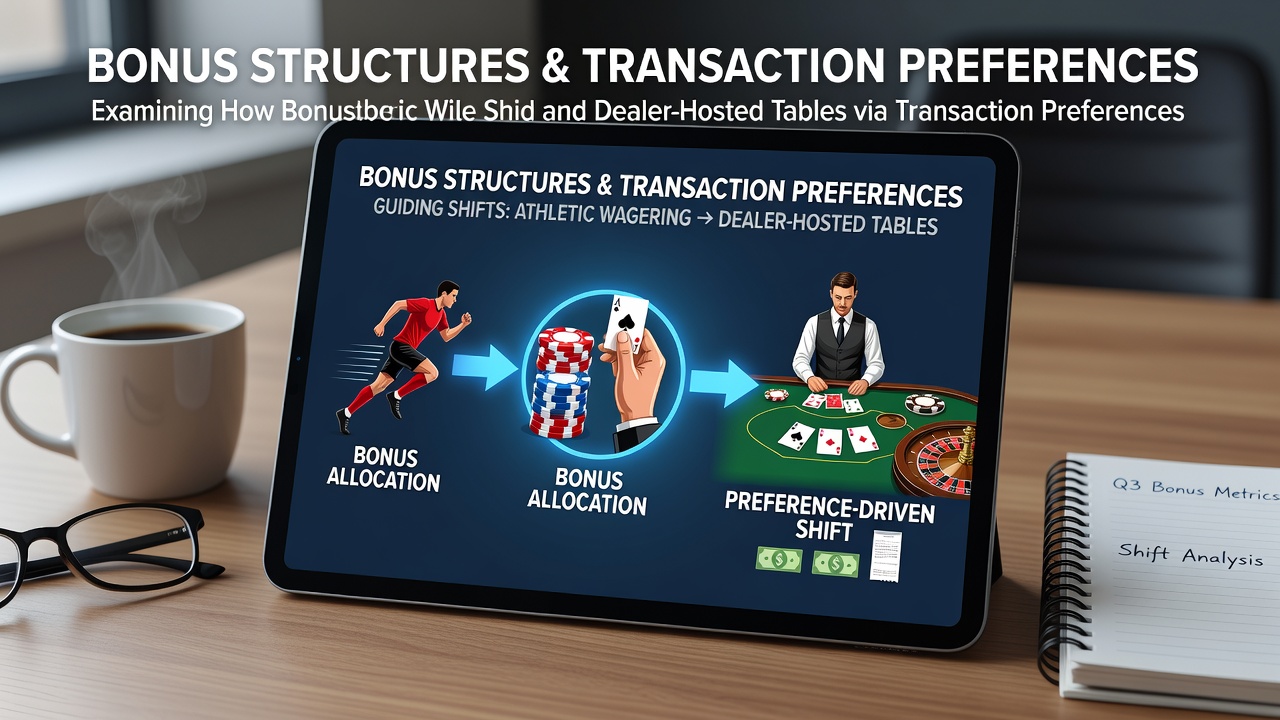
Examining How Bonus Structures Guide Shifts Between Athletic Wagering and Dealer-Hosted Tables via Transaction Preferences
Data from multiple gaming markets shows that bonus structures often direct player movement between athletic wagering and dealer-hosted tables, with transaction preferences serving as the key connector in these transitions. Observers note that deposit bonuses, free bet credits, and table game match offers create distinct pathways that reward specific payment choices while encouraging format switches within the same account.
Bonus Designs That Influence Format Movement
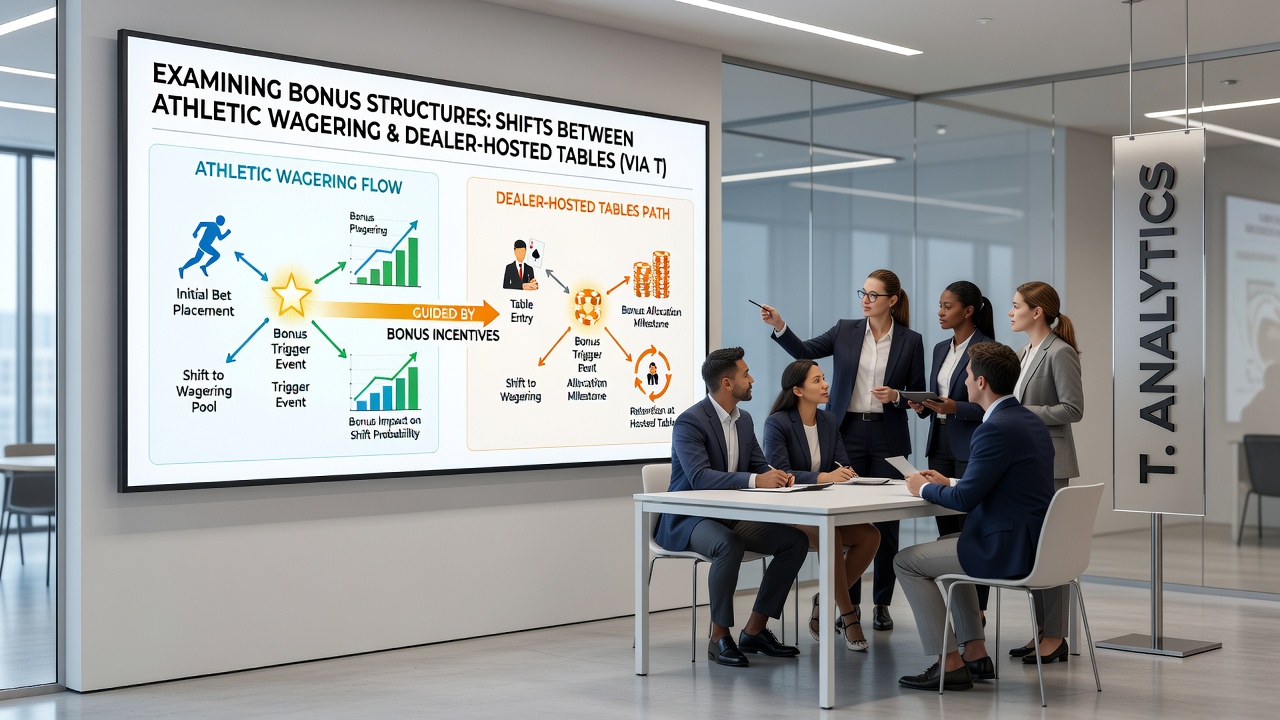
Operators structure athletic wagering bonuses around free bets and risk-free wagers that require initial deposits through approved channels, whereas dealer-hosted table promotions frequently tie cashback or chip matches to e-wallet or card transactions that carry different fee profiles. Research indicates these layered incentives prompt users to complete one set of wagering requirements in sports markets before shifting to live tables where remaining bonus funds convert under altered terms. Those who study player data find that September 2026 figures reveal elevated crossover activity when operators align bonus expiration windows across both formats.
Transaction Preferences as the Bridge
Payment method selection determines bonus eligibility and rollover speed in many platforms. Credit card deposits may unlock higher match percentages for athletic wagering yet impose stricter verification delays that slow access to dealer-hosted tables, while cryptocurrency transfers often accelerate table game bonuses but limit sports-related promotions. Studies from regulatory bodies demonstrate that users who prefer instant settlement methods tend to move between formats more frequently because cleared funds meet playthrough thresholds faster across both categories.
Observed Patterns in Multi-Format Accounts
Transaction logs analyzed across several jurisdictions show that players who begin with sports betting bonuses frequently migrate to live dealer sessions once initial wagers settle, especially when remaining bonus value carries over under table game rules. One documented case involved accounts that used bank transfer deposits for sports promotions and later switched to digital wallets to unlock live blackjack matches, resulting in measurable increases in session duration across both offerings. Figures reveal these shifts occur most often when operators publish unified bonus ledgers that list requirements for each format side by side.
Regulatory Context and Reporting Standards
According to reports compiled by the Nevada Gaming Control Board, bonus-related transaction data must separate athletic wagering activity from table game play to ensure compliance with state allocation rules. Similar requirements appear in Australian regulatory summaries that track how payment method bonuses affect cross-format participation rates. These reporting frameworks make it possible to quantify how specific deposit preferences correlate with format switches during defined promotional periods.
Technology Supporting Seamless Transitions
Platform architecture now integrates bonus wallets that automatically apply remaining credits to whichever format meets the next eligible wager type, reducing friction when users move from athletic events to dealer-hosted tables. Developers have adjusted these systems so that transaction history remains visible across both sections, allowing players to verify rollover progress without separate logins. Data shows that accounts using unified wallets complete bonus cycles at higher rates than those managing separate balances for each game category.
Conclusion
Bonus structures continue to shape movement between athletic wagering and dealer-hosted tables by tying rewards directly to transaction preferences that determine access speed and rollover flexibility. Regulatory reporting from multiple regions documents these patterns through transaction data that operators must maintain separately for each format. As platforms refine unified bonus systems, the connection between payment choice and format selection remains a measurable factor in overall participation trends.